Cara Membuat Rainbow Cake pertama-tama Panaskan oven hingga 180C/160C fan / gas 4. Grease 2 x 20cm bulat kaleng roti dan garis dasar dengan baking paper. Tip semua bahan spons, terlepas dari pewarna makanan, ke dalam mangkuk pencampuran, kemudian aduk dengan listrik cepat sampai halus.

Bekerja dengan cepat, menimbang adonan ke mangkuk lain untuk bekerja di luar berat total, kemudian menimbang persis setengah campuran kembali ke mangkuk. Pilih 2 warna Anda dan aduk sedikit ke campuran masing-masing. Terus sampai Anda puas dengan warna - warna adonan sekarang akan sangat mirip dengan kue selesai, jadi berani! Mengikis adonan yang berbeda ke dalam kaleng, mencoba untuk menyebarkan dan menghaluskan sebanyak mungkin - tapi cobalah untuk tidak membuang setetes adonan - spatula karet akan membantu Anda. Panggang di oven rak yang sama selama 12 menit sampai tusuk sate menusuk ke tengah keluar bersih.
Putar perlahan kue keluar ke rak kawat untuk mendinginkan Resep Rainbow Cake Cuci kaleng dan mangkuk menyeluruh, dan mulai lagi dari langkah 1
- Kali ini menggunakan 2 warna lain. Kecuali Anda membuat lapisan merah muda opsional, ulangi sekali lagi untuk mendapatkan 6 spons, semua warna yang berbeda. Tinggalkan mereka semua untuk mendinginkan.
Untuk membuat icing, sangat singkat mengalahkan vanili dan krim keju mascarpone atau dengan listrik cepat sampai halus. Ayak dalam gula icing dan lembut lipat dengan spatula. Hati-hati - semakin Anda bekerja, semakin runnier akan mendapatkan, meningkatkan kesempatan membelah.
Smear icing sedikit pada berdiri kue atau piring - hanya splodge untuk tetap spons pertama. Mulailah dengan merah, kemudian menyebar dengan beberapa hak icing ke tepi. Ulangi, mengapit di atas oranye, kuning, hijau, biru spons dan akhirnya ungu. Menyebarkan icing tersisa tebal seluruh sisi dan atas kue. Untuk lebih tips dan saran ahli tentang cara membuat kue pelangi sempurna, memeriksa tips kami, di bawah ini.
Cara Membuat Rainbow Cake Enak
Cara memakai jilbab dapat dipakai dalam banyak cara Trendy atau Tradisional, di sini saya akan mencoba untuk menampilkan beberapa favorit saya dengan harapan untuk menambahkan lebih banyak insya Allah dalam waktu dekat. Saya akan menampilkan Syal, scarf Square & Amira jilbab.
Mulailah dengan menempatkan underscarf penuh di kepala Anda sebagai gaya ini membutuhkan cakupan leher. Atau Anda dapat menggunakan underscarf teratur dan memakai turtleneck
Tempatkan selendang di kepala Anda dengan ujung lebih lama dari yang lain
Pin selendang ke underscarf di kedua sisi kepala Anda dekat di mana garis alis Anda berakhir
Bawa akhir lama selendang longgar di bawah dagu Anda dan membungkusnya di sekitar di atas kepala Anda dan penggunaan kembali pin yang sama untuk mengamankan di tempat
Mulailah dengan memakai underscarf
Tempat selendang di kepala Anda dengan kedua ujungnya sama panjang dan dasi di belakang leher Anda sekali atau dua kali
Tempatkan scarf tipis di kepala Anda dan dasi di belakang leher Anda di bawah selendang seperti ditunjukkan pada gambar # 2
Menjalin syal tipis aksen dengan selendang dan dasi dengan ikat kepala dari scrunchie dalam warna senada.
Ini adalah salah satu favorit saya dan saya pribadi mendapatkan pujian saat mengenakannya.
Catatan: Hal ini tentu saja dikenakan dengan turtleneck atau jika Anda lebih suka memulai gaya dengan menggunakan underscarf penuh dan tidak ada turtleneck dan Anda mencapai tampilan yang sama. Lanjutkan membaca Cara Memakai Jilbab


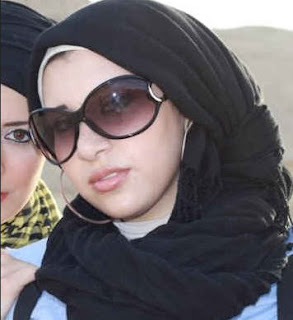 Cara Memakai Jilbab